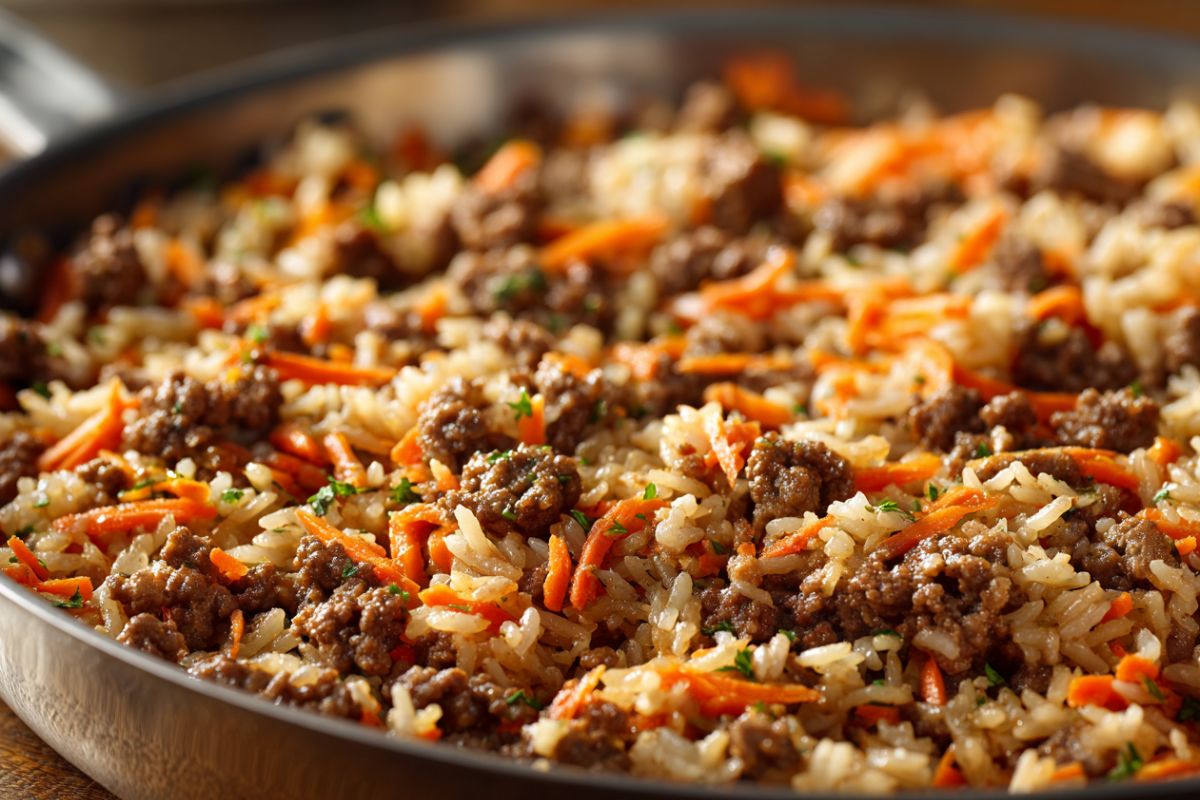
You’re standing in the dog food aisle, reading ingredient labels that look like chemistry experiments. Meat by-products, preservatives, things you can’t even pronounce. You want something better for your dog, but making homemade dog food sounds complicated and time-consuming, right?
Here’s the truth: you can make nutritious, vet-approved dog food with just four simple ingredients. No fancy equipment, no complicated meal prep, and definitely no mystery ingredients.
In this guide, you’ll discover easy 4 ingredient dog food recipes that take less than 30 minutes to prepare and keep your pup healthy and happy.
Why Make 4 Ingredient Dog Food?
Less really is more when it comes to homemade dog food. With just four carefully chosen ingredients, you know exactly what’s going into your dog’s bowl. There’s no guesswork, no hidden fillers, and no artificial additives.
These simple recipes are perfect if your dog has food sensitivities. When you control every ingredient, identifying and eliminating allergens becomes straightforward. Plus, you’ll save money compared to premium commercial dog foods while giving your pup fresh, whole-food nutrition.
The best part? You don’t need to be a chef or a canine nutritionist. These recipes use ingredients you probably already have in your kitchen.
Important Note: Always consult your veterinarian before switching to homemade dog food, especially long-term. These recipes are designed for variety and supplementation, not as a sole diet unless approved by your vet with proper vitamin and mineral supplementation.
What Makes a Complete 4 Ingredient Dog Food
Dogs need balanced nutrition from protein, carbohydrates, healthy fats, and vegetables. A good 4 ingredient recipe includes:
- Protein source – Chicken, turkey, beef, or fish provides essential amino acids for muscle development and energy. Aim for lean proteins to avoid excess fat.
- Carbohydrate source – Brown rice, sweet potato, or oatmeal gives your dog sustained energy and fiber for healthy digestion. These complex carbs are easier on their stomach than simple starches.
- Vegetable component – Carrots, green beans, or spinach deliver vitamins, minerals, and antioxidants. They also add fiber to keep things moving smoothly in the digestive tract.
- Healthy fat – A small amount of olive oil, fish oil, or the natural fat from your protein source supports coat health, brain function, and nutrient absorption.
Recipe 1: Beef & Brown Rice Power Bowl
This protein-packed recipe is perfect for active dogs who need sustained energy. The combination of beef and brown rice provides complete nutrition with minimal ingredients.
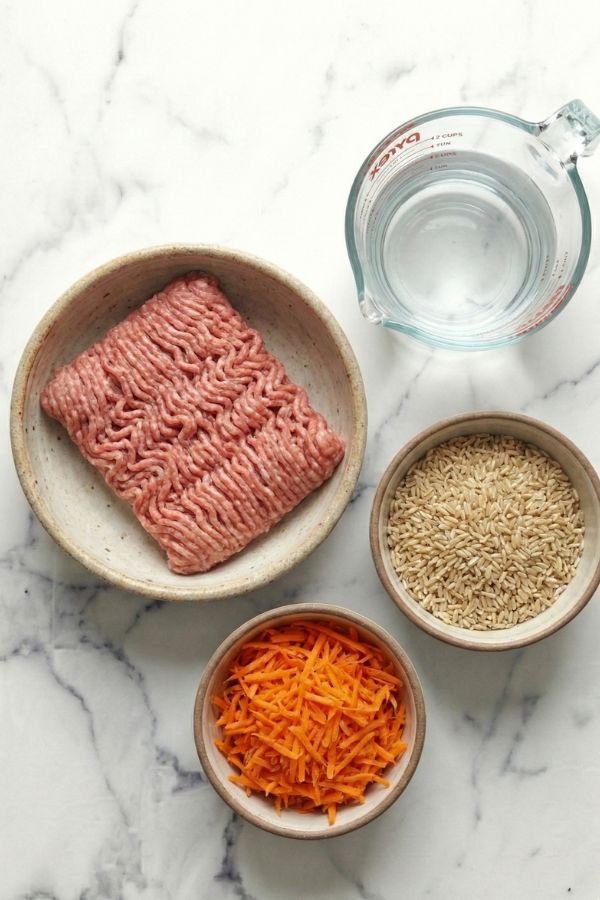
Ingredients:
- 2 cups lean ground beef (90% lean or higher)
- 1 cup brown rice (uncooked)
- 1 cup carrots (shredded or finely diced)
- 2 cups water or low-sodium beef broth
Instructions:
- Brown the beef: In a large skillet over medium heat, cook ground beef until fully browned (about 8-10 minutes). Break it into small pieces as it cooks. Drain excess fat if using higher-fat beef.
- Cook rice and carrots: In a medium pot, combine brown rice, water or broth, and shredded carrots. Bring to a boil, then reduce heat to low. Cover and simmer for 40-45 minutes until rice is tender and liquid is absorbed.
- Mix together: Combine cooked beef with the rice and carrot mixture. Stir well to distribute ingredients evenly.
- Cool and serve: Let the mixture cool to room temperature before serving. Store refrigerated portions in airtight containers for up to 5 days.
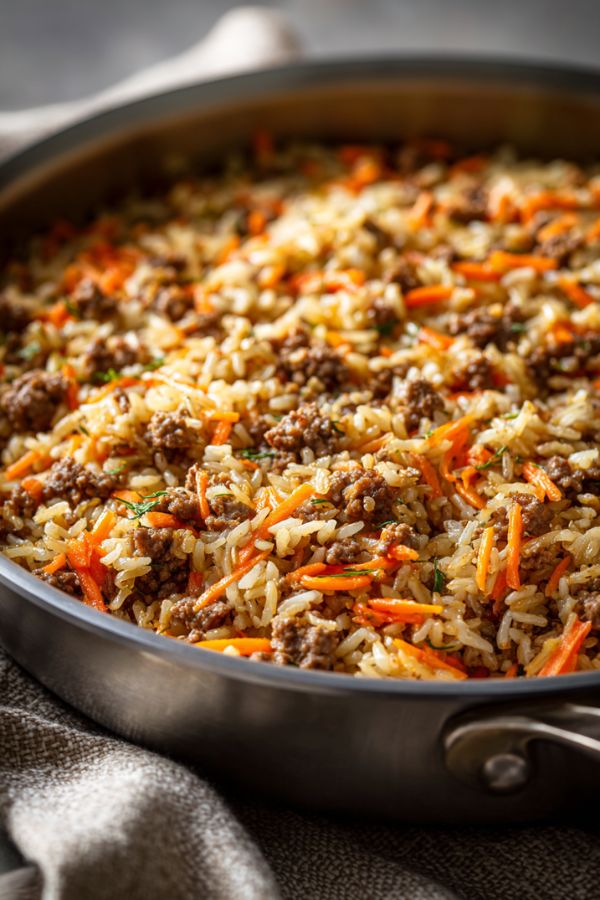
Why This Works: Brown rice provides B vitamins and fiber, while carrots add beta-carotene for eye health. The beef offers high-quality protein and essential minerals like iron and zinc.
Recipe 2: Turkey & Oatmeal Digestive Blend
If your dog has a sensitive stomach, this gentle recipe is your go-to. Turkey is easy to digest, and oatmeal soothes the digestive tract while providing soluble fiber.
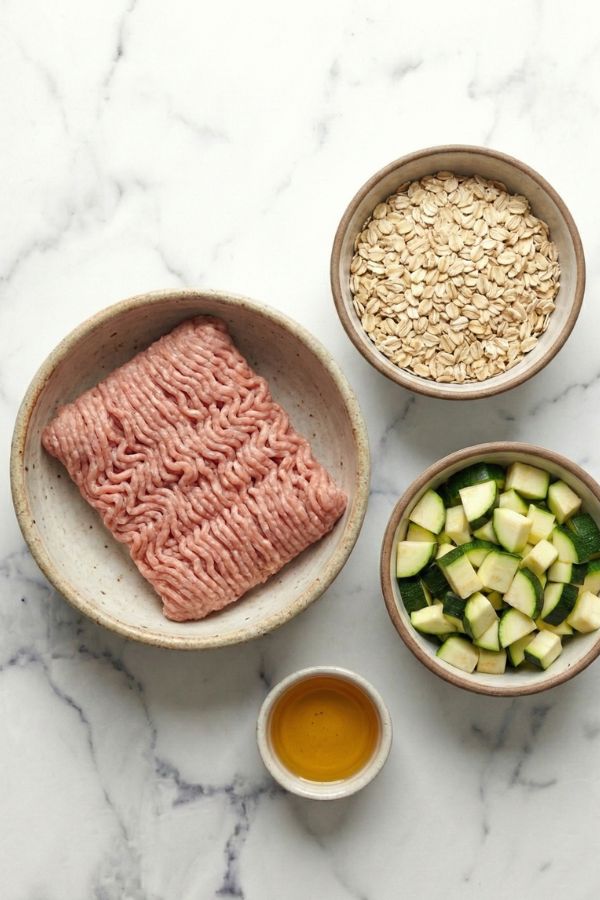
Ingredients:
- 2 cups ground turkey (lean)
- 1 cup old-fashioned oats (not instant)
- 1 cup zucchini (chopped)
- 1 tablespoon fish oil (or salmon oil)
Instructions:
- Cook the turkey: In a large pan, cook ground turkey over medium heat until no pink remains (about 10-12 minutes). Break into small, bite-sized pieces.
- Prepare oatmeal base: While turkey cooks, bring 3 cups of water to boil in a separate pot. Add oats and reduce heat. Simmer for 5 minutes, then add chopped zucchini. Cook for another 3-4 minutes until zucchini is tender.
- Combine ingredients: Mix cooked turkey with oatmeal and zucchini. Once slightly cooled, add fish oil and stir thoroughly.
- Portion control: Allow to cool completely, then divide into portions. This recipe stays fresh in the fridge for 4-5 days or can be frozen in individual servings.
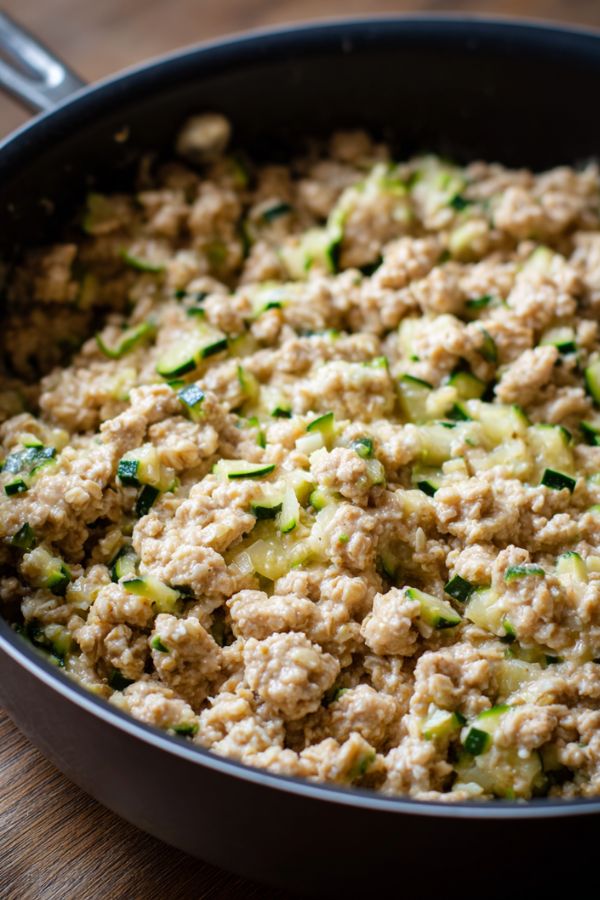
Digestive Benefits: Oatmeal contains beta-glucan, which supports healthy gut bacteria. Zucchini is low in calories but high in water content, keeping your dog hydrated while adding nutrients.
Storage and Meal Prep Tips
Making a week’s worth of food at once saves time and ensures your dog always has fresh meals ready. Here’s how to store these recipes properly:
Refrigeration: Store cooled portions in airtight containers for up to 5 days. Glass containers work best because they don’t absorb odors.
Freezing: Portion meals into individual servings using freezer-safe bags or containers. Freeze flat for easy stacking. Label with recipe name and date. Use within 3 months for best quality.
Thawing: Transfer frozen portions to the fridge 24 hours before serving. You can also thaw in a bowl of cold water for faster defrosting. Never microwave homemade dog food, as it creates hot spots that could burn your dog’s mouth.
What to Watch For
Monitor your dog’s health when introducing any new food, even homemade recipes. Look for these positive signs:
- Increased energy and playfulness
- Shiny, healthy coat
- Firm, well-formed stools
- Healthy appetite without begging
- Clear, bright eyes
Warning signs to watch for:
- Diarrhea or vomiting (could indicate food sensitivity)
- Excessive gas or stomach gurgling
- Skin irritation or increased scratching
- Weight loss or poor muscle tone
- Decreased energy
If you notice any negative changes, consult your veterinarian immediately. Some dogs need a gradual transition from commercial to homemade food over 7-10 days.
Customizing for Your Dog’s Needs
These base recipes are flexible. Here’s how to adjust them:
For weight loss: Reduce the carbohydrate portion by half and increase vegetables. Use extra-lean protein sources.
For active dogs: Increase protein portions by 25% and add a bit more healthy fat for sustained energy.
For picky eaters: Add a small amount of low-sodium broth or a spoonful of plain pumpkin puree for extra flavor.
For senior dogs: Cook ingredients longer to make them softer and easier to chew. Consider blending for dogs with dental issues.
Supplements to Consider
While these 4 ingredient recipes provide excellent nutrition, dogs eating primarily homemade food may need supplements for complete nutrition:
- Calcium supplement: Essential if not feeding bones (consult your vet for proper dosage)
- Fish oil: If not already included in the recipe, supports joint and coat health
- Multivitamin: A canine-specific vitamin fills nutritional gaps
- Glucosamine: Beneficial for senior dogs or breeds prone to joint issues
Always consult your veterinarian before adding supplements. Too much of certain vitamins and minerals can be harmful.
Frequently Asked Questions
Can I feed my dog 4 ingredient homemade food every day? Yes, but only with proper supplementation and veterinary approval. These recipes provide excellent nutrition but may lack certain vitamins and minerals needed long-term. Work with your vet to ensure complete nutritional balance, especially calcium and vitamin E.
How long does homemade dog food last in the fridge? Homemade dog food stays fresh for 4-5 days when stored properly in airtight containers in the refrigerator. Always smell and visually inspect before serving—if it looks or smells off, throw it out. Freezing extends shelf life to 3 months.
Can puppies eat these 4 ingredient recipes? Growing puppies have different nutritional needs than adult dogs, requiring more calcium, phosphorus, and specific nutrient ratios. Consult your veterinarian before feeding homemade food to puppies. Commercial puppy food is formulated for their developmental needs.
Do I need to add vitamins to homemade dog food? For occasional homemade meals mixed with commercial food, additional vitamins aren’t necessary. However, if homemade food makes up more than 50% of your dog’s diet, you’ll likely need a canine multivitamin and calcium supplement to ensure complete nutrition.
How much homemade food should I feed my dog? A general guideline is 2-3% of your dog’s body weight per day, divided into two meals. For a 50-pound dog, that’s about 1 to 1.5 pounds (2-3 cups) of food daily. Adjust based on your dog’s activity level, age, and body condition.
Conclusion
Making homemade dog food doesn’t require dozens of ingredients or hours in the kitchen. These 4 ingredient recipes prove that simple, wholesome nutrition is within reach for every dog owner. Your pup gets fresh, quality food while you gain peace of mind knowing exactly what’s in every bowl.
Start with one recipe this week. Watch your dog’s excitement at mealtime, notice their improved energy, and enjoy the satisfaction of providing restaurant-quality nutrition at home. Your dog deserves it, and now you know it’s easier than you thought.